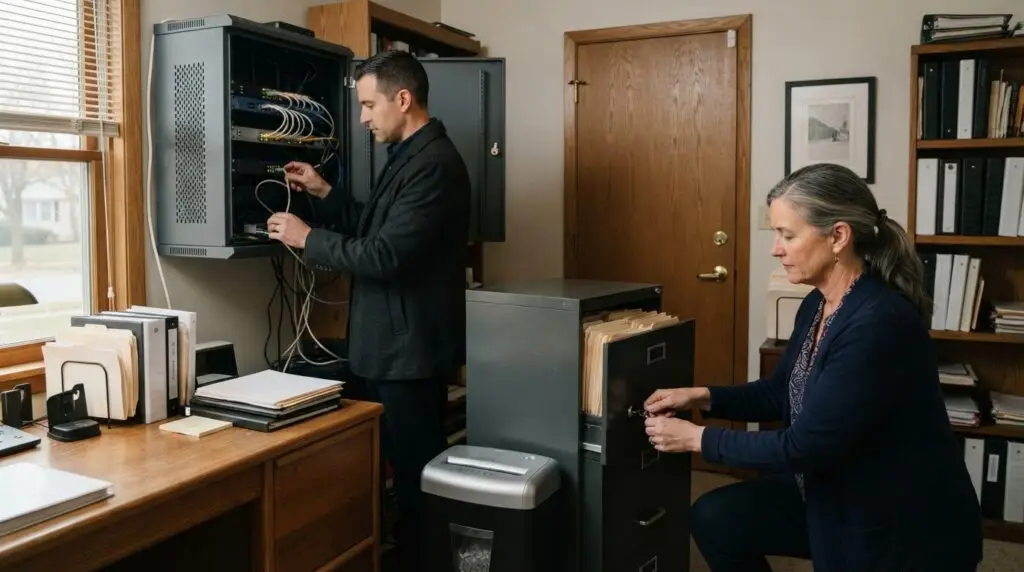
How to Write a WISP as a Sole Proprietor Tax Preparer
A sole proprietor tax preparer should adapt the IRS sample WISP to document how the practice protects taxpayer information. If you’re working out how…

A sole proprietor tax preparer should adapt the IRS sample WISP to document how the practice protects taxpayer information. If you’re working out how…

A convincing message can still be fraudulent, so pause before acting on unexpected tax-related emails. Phishing scams targeting tax pros may imitate…

A breach can damage an accounting firm’s reputation by weakening client confidence and prompting prospective clients to question how sensitive…

Annual security training is a sound yearly practice for tax firms, but the exact legal expectation depends on which rules apply. The mandatory…

A VPN is a secure connection, not a complete security plan. A VPN for accountants working remotely can encrypt internet traffic and help staff access…

A tax practice without a WISP faces federal compliance exposure, including possible FTC penalties when a violation continues. The Federal Trade…

A breach can announce itself through ordinary-looking system changes. Effective incident response for tax pros starts with recognizing warning signs,…

A clean desk is a practical security control, not just an office preference. A clean desk policy for accountants sets expectations for securing…

What if a written security plan looks complete on paper but doesn’t match how your tax office actually protects client data? That gap is at the heart…

What if your security policies look complete on paper but don’t reflect how your tax office actually handles information? A cybersecurity audit for…